Tag: drama
-
Ghosts in their own ghost stories: Shokuzai
Read More →: Ghosts in their own ghost stories: Shokuzai“If it cannot break out of its shell, the chick will die without ever being born. We are the chick-The world is our egg. If we don’t crack the world’s shell, we will die without ever truly being born. Smash the world’s shell. FOR THE REVOLUTION OF THE WORLD!” –Revolutionary Girl Utena Shokuzai (Penance) is…
-
Don't give up: dying in pursuit of change and The Sky Crawlers
Read More →: Don't give up: dying in pursuit of change and The Sky CrawlersMamoru Oshii doesn’t make forgettable anime. Be it Ghost in the Shell or Patlabor 2, the man injects so much personality into his films that it’s impossible not to recognise his touch. There is, of course, his famous basset hound, but there’s also a poetic side that transports this viewer into the ether. I can’t…
-
The flower bloomed
Read More →: The flower bloomedBefore you decide to watch Flowers of Evil (Aku no Hana,) please ask yourself these questions: do I purely want bishounen, or bishoujo, characters in my anime? Am I always looking for attractive characters? Should anime always look the same? If you’ve answered in the affirmative to any of these questions, forget about Flowers of…
-
My name is Squealer
Read More →: My name is SquealerThe end of a season is a bittersweet time for anime fans, as the joy of seeing a series reach its climax is undercut by the knowledge that this is the last hurrah for a story we’ve grown attached to over time. Such is the case with Shin Sekai Yori (From the New World,) a…
-
The Flowers of Evil
Read More →: The Flowers of EvilFirst, imagine an alternate version of FLCL, where Naoto hooks up with the loose-canon Mamimi and revels in her pyromania, falling ever deeper into her psychosis, burning away their boring world together. This is The Flowers of Evil (Aku no Hana,) a manga series (and soon to be anime) that begins like any of the…
-
A distant light: Hyouka
Read More →: A distant light: HyoukaSomewhere between its Autumn lights and shifting leaves, there’s a warmth in Hyouka. Warm is a good way of describing the series, emotional is another. Not emotional in a melodramatic sense, but rather, one feels a liveliness coursing through every table leg and dusty bookshelf in the series. It has the sense of a story…
-
Anime still has it: Space Brothers
Read More →: Anime still has it: Space BrothersFor a while there, I stopped believing that the anime industry was capable of crafting shows like Space Brothers (Uchū Kyōdai.) When I seriously started getting into anime, there were series like Planetes, Gankutsuou, Monster and Mushishi all being released in and around the same time. These were series not influenced by other anime and…
-
Taiyo Matsumoto’s new manga, Sunny: melancholy and wonderful
Read More →: Taiyo Matsumoto’s new manga, Sunny: melancholy and wonderfulI’ve long been a fan of Taiyo Matsumoto, a guy who for years has ranked amongst my favourite mangaka. Hopefully you’ll know him as the author of Tekkonkinkreet (Black & White,) or GoGo Monster, or perhaps even Ping Pong? If not, you really should, because he’s a genius.
-
The girl who became a zombie
Read More →: The girl who became a zombieI’m utterly torn by Sankarea. It has beautiful art direction and some fascinating ideas, but it’s also about as exploitative as anime gets. There’s just so much to like about it though, starting with the girl who became a zombie. Of course, to become a zombie, one must first die. Sanka commits suicide because her…
-
Birdland
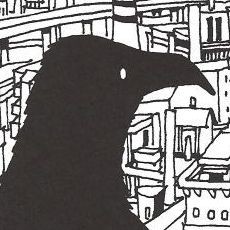
Read More →: BirdlandAlthough I’ve been writing this anime blog for a long time now, over 6 years, in fact, I’m still not sure of the kind of blogger I am. I’m not disciplined enough to write every few days, nor do I enjoy deep analysis of anime. I don’t even really enjoy discussing it to any great…
-
Don't forget the side characters
Read More →: Don't forget the side charactersIn alot of ways, what keeps a longer manga engaging isn’t its main characters, but the side characters. Though our initial emotional investments as readers are in the main characters, the supporting cast and their links with those main characters are what keeps the story fresh.
-
Watching people destroy their happiness in NANA
Read More →: Watching people destroy their happiness in NANAOne of the saddest things about NANA is that its creator Ai Yazawa (who has been fighting against an unspecified illness since 2009) hasn’t been able to finish it. NANA is a story of dreams and ambition, and the characters have struggled too hard and for too long to be left hanging. I hope Yazawa…
-
Is it more painful to wait? Or to keep someone waiting?
Read More →: Is it more painful to wait? Or to keep someone waiting?Writing, even anime blogging, can be hard. We all have ideas about what makes good writing and that’s why, sometimes, I have trouble doing it for this blog. I want to write posts that are, in their own ways, perfect. I know that’s an unrealistic goal, but I try anyway, and this whole process gradually…
-
Farewell Satoshi Kon
Read More →: Farewell Satoshi KonIt’s difficult to express the disappointment I felt when I learnt of Satoshi Kon‘s passing last week. Since then, many heart-felt tributes have been published and half-way through writing this, I started wondering whether it was worth posting at all. Alas, what is blogging if not personal? I liked his films and, at the risk…
-
This is the Naruto I remember
Read More →: This is the Naruto I rememberThere were times when I considered dropping Naruto.
-
How the Cowboy Bebop ending explains the meaning of “You’re gonna carry that weight”
Read More →: How the Cowboy Bebop ending explains the meaning of “You’re gonna carry that weight”What is the Cowboy Bebop ending trying to say? It feels like such a waste! Spike doesn’t have to face Vicious, he could just stay with Faye and Jet, leave Mars and fly away, but he doesn’t. No matter how many times it’s replayed, there will always be that choice hanging over Spike in the…
-
The tide of violence
Read More →: The tide of violenceI’ve read only 26 chapters of Vinland Saga so far but its quality is such that I have to admit it’s already one of my favourites. Thorfinn is the main character, an Icelandic warrior joined with a band of Viking mercenaries sailing the seas of Europe and sacking the villages and cities of Norman France…
-
Soul and style: Toradora and Michiko e Hatchin
Read More →: Soul and style: Toradora and Michiko e HatchinIt’s the eve of the latest spring season, but I’m still playing catch up with a lot of last year’s finest. Last week it was Xam’d, and this week it’s Michiko e Hatchin and Toradora. I’m only too aware that the anime community is driven by an insatiable desire for ‘newness’, and I’m really excited…
-
Why I'm enjoying Toradora
Read More →: Why I'm enjoying ToradoraAll that should matter is empathy, and I get that from Toradora.
-
Bitter sweet school days; All About Lily Chou-Chou
Read More →: Bitter sweet school days; All About Lily Chou-ChouBack in June, I reviewed a Japanese live action film called Linda Linda Linda. It was a great movie, so great, in fact, that it encouraged me to dig deeply into the depths of Japanese cinema. Since then, I’ve been working my way through the recommendations in the comments of that post. It has been…
-
Bokurano: … I really wish I could've died on the Earth I grew up on.
Read More →: Bokurano: … I really wish I could've died on the Earth I grew up on.I finished Bokurano this weekend, just as planned. 24 episodes in 5 days isn’t bad at all, as I’ve never been one to enjoy marathoning through anime. After all, I ended up needing nearly 2 whole years to catch up with 300+ episodes of One Piece, so, starting and finishing Bokurano in a matter of…
-
Linda Linda Linda; slice of life done good
Read More →: Linda Linda Linda; slice of life done goodWhile I’m fairly confident that I’ve built up some decent knowledge of anime over the past few years, I can’t say the same for Japanese live action. Sure, I’ve watched many of the cult classics; Audition, Azumi, Battle Royale, Ringu, to name but a few, and there’s no denying that they are cool movies (albeit…
-
I'm one of his twenty faces too
Read More →: I'm one of his twenty faces tooWhen its first episode finished, I suspect a lot of people probably dropped their interest in The Daughter of Twenty Faces (a.k.a Nijuu Mensou no Musume) right there and then. Going off of first impressions, it’s not flashy at all. The colour palette is subdued, there’s no sensational fan-service and no eccentric personality winking at…
-
Impressions of Bokurano – It's alright, 'cause there's beauty in the breakdown
Read More →: Impressions of Bokurano – It's alright, 'cause there's beauty in the breakdownI’ve seen seven episodes, but I’m yet to pass much comment on the Bokurano anime. Given its rather controversial themes and notably downbeat tone, I’m not sure if it’s right to say I’m enjoying it. I don’t have fun watching Bokurano, it doesn’t inspire me to wax lyrical about it’s quality, in fact, I find…
-
Past, present and future
Read More →: Past, present and futureTo quote rubbish rockers Staind, it’s been a while. Of course I haven’t stopped watching anime, I just don’t have much to say. I could write boring episode reviews, but you know, that’s boring! More than anything I seem to rely on inspiration to write and the feeling now is that I’m either burnt out…
-
Welcome to the NHK [END] – And so dies the NEET
Read More →: Welcome to the NHK [END] – And so dies the NEETIt was cute to see NHK end with a role reversal between Misaki and Satou – there are big differences between a lazy hikkimori and having a genuinely mixed up life. In spite of his personal problems Satou was always a fairly normal person just in need of tough love. When his parents’ money dries…
-
Again the fate of the world is in the hands of 14 kids (Bokurano)
Read More →: Again the fate of the world is in the hands of 14 kids (Bokurano)Its been a while readers, 7 days to be precise, and as we all know, 7 days on internet may as well be a lifetime. I won’t labor you with the details, but suffice to say that this gradual slow down in blogging is sadly down to cliche reasons; I have found a new job…
-
Welcome to the NHK! – (Never) Learning to Fly
Read More →: Welcome to the NHK! – (Never) Learning to FlyHaving just finished watching episode 19, this must be the first time I’ve left off Welcome to the NHK feeling happy! It was fantastic to see a smiling Torotoro-san biking around and about the streets of Tokyo; you can see in his grinning face that suddenly life is worth living again. Despite Satou’s constant whining,…
-
Welcome to the NHK! – 16 – The Ultimate NEET
Read More →: Welcome to the NHK! – 16 – The Ultimate NEETThere was always going to be a twist behind the real world identity of Mia. “She” was too perfect, Satou loved her too much, and NHK! isn’t about Satou being in love. I certainly didn’t see it being Yamazaki though – jeez, that was cruel of him. And then there is the flash-forward to Satou’s…
-
Welcome to the NHK! – 14 to 15 – MMORPGs destroy lives… mmmk?
Read More →: Welcome to the NHK! – 14 to 15 – MMORPGs destroy lives… mmmk?The relentless waves of depression continue unabated with these two episodes as Satou (hardly recovered from his suicidal exploits) stupidly falls foul to the life sucking world of MMORPGs. These highly addictive and never ending online games are undoubtedly one of the major forces behind what is becoming a worldwide epidemic of hikkimori, but what…
-
Mushishi – 26 – And so ends a landmark anime production
Read More →: Mushishi – 26 – And so ends a landmark anime productionAs if to confirm its audacious brilliance, central character Ginko hardly even appears in this final episode and it was still one of the highlights of the Mushishi TV series. Again bursting with its trademark melancholic tone, this was yet another natural blend of touching storytelling that mixes a retrospective and sad human drama with…
-
Welcome to the NHK! – 13 – In a word, depressing
Read More →: Welcome to the NHK! – 13 – In a word, depressingFor some odd reason, I was expecting Satou to be the hero of this episode, but today I doubt he will ever be a hero – just like Yamazaki says, people “like him” aren’t suited to dramatic ends. In a word, depressing. Hitomi is selfish and cruel, her reasons for coming back into Satou’s life…
-
Pumpkin Scissors – 1 – Faith in humanity after all
Read More →: Pumpkin Scissors – 1 – Faith in humanity after allI’m getting worried about the fall anime season; there is too much to watch. Putting aside the immediate favourites like Death Note and Black Lagoon (these two are unmissable in my eyes) the likes of Pumpkin Scissors and D.Gray-man have proved just as fun and action packed, so where does one (desperately trying to be…
-
Honey & Clover II – Wallowing in the aftermath
Read More →: Honey & Clover II – Wallowing in the aftermathIt was always going to be one of those dreaded moments when Honey & Clover finally finished up – an empty feeling, my mind swirling in miscellaneous doubt and irritating confusion. What do I watch now? I had my ups and down with this second season, perhaps borne from episode after episode of frustrating romantic…
-
Welcome to the NHK! – Anime or manga? Yawn
Read More →: Welcome to the NHK! – Anime or manga? YawnAnime or manga, one is inevitably better than the other – whether it’s just another case of elitism or not, you can always bet on the jumped up manga fans hating the anime adaptations of their favourite stories. This is because the voices you hear in your head will always sound better in comparison with…
-
Welcome to the NHK! – 9 – Sparkling festival fireworks
Read More →: Welcome to the NHK! – 9 – Sparkling festival fireworksAn unusually positive and uplifting instalment of NHK!, I wasn’t planning on commenting on this episode but the sparkling festival fireworks always get me. So bright, so beautiful, so romantic. Even Yamazaki gets some lovin’. This is so far the best episode, a dizzy mixture of jilted love and romantic despair, it astutly comments on…
-
Mushishi – 25 – Even without eyeballs, tears run
Read More →: Mushishi – 25 – Even without eyeballs, tears runAlthough it would be harsh to say Mushishi had been in the doldrums of late, I must admit that the episodes succeeding number 20 have often flattered to deceive. It still looks as gob-smackingly beautiful as ever, but feels like more of a remote beauty, something I can admire but hardly love. I’m rejoicing then…
-
Welcome to the NHK! – 8 – Meet the parent
Read More →: Welcome to the NHK! – 8 – Meet the parentIt’s time to meet the parents, only Satou doesn’t have a girlfriend, or a job, or a life outside of his apartment, making the whole arrangement pretty awkward from the get-go. If only Robert De Niro was his Dad – what laughs we would have! Judging by his mother’s phone call in the previous episode,…
-
Elfen Lied – 8 through 10 – Subverting the cute
Read More →: Elfen Lied – 8 through 10 – Subverting the cuteAgain Elfen Lied defies it’s pretty style and delivers a trio of episodes that are anything but. Subverting the look of its cute characters, it clearly delights in extreme mental and physical abuse — the disgusting bludgeoning of a helpless young puppy aptly symbolises how innocence and weakness is exploited in Elfen Lied, and that’s…
-
Welcome to the NHK! – 7 – Is Misaki Real?
Read More →: Welcome to the NHK! – 7 – Is Misaki Real?Although it’s not nearly the “best” series airing at the moment, I often watch Welcome to the NHK! as soon as it’s downloaded. I have the first 6 episodes of Bokura Ga Ita stocked up, another four of Legend of the Galactic Heroes and even the most recent Honey & Clover- but it seems (whether…
-
Honey & Clover II – 7 – Bleeding with a flickering hope in life
Read More →: Honey & Clover II – 7 – Bleeding with a flickering hope in lifeAs far as hyperbole goes, this was quite possibly my favourite episode of Honey & Clover II. No doubt I could say that after every episode- but this seventh instalment particularly deserves praise for violently jamming the second season in a completely different (and darker) direction. It’s not that I was getting sick of the…
-
Noein – And so we reach the end
Read More →: Noein – And so we reach the endI feel like I’ve been watching Noein for years now and writing this entry is daunting. Complex multi dimensional time travel, heart breaking tragedy and gut wrenching friendships. Here is a series bursting with ideas and without breaking into an essay length review, it’s hard to do justice to the sheer narrative majesty of Noein.…
-
Mushishi – 24 – Bound for Bonfire Field
Read More →: Mushishi – 24 – Bound for Bonfire FieldAnother episode that was only average in comparison with Mushishi’s previously sky-is-the-limit standards, “Bound for Bonfire Field” showcased one of the more deadly mushi Ginko has come across but failed to deliver the profound human empathy I’ve come to expect of this magical series. The main problem is this episode’s frustrating central figure; a female…
-
Honey & Clover II – First and fleeting impressions
Read More →: Honey & Clover II – First and fleeting impressionsHoney & Clover is said to epitomise the ambiguous “slice of life” genre – a typically slow, ambling style of story telling with no true narrative direction. Indeed, Takemoto’s impulsive journey around Japan is all about finding a definitive meaning to his existence only to discover that ultimately, there is no set path for us…
-
Welcome to the NHK! – 2 – Crazy-otaku neighbour to the rescue
Read More →: Welcome to the NHK! – 2 – Crazy-otaku neighbour to the rescueSato meets with young Misaki to talk about her “how to take the hikomori out of Sato” project. Though with his trademark destructive hiko-nature, Sato immediately tries to deny his shut-in ways by proving to Misaki that he does have a part to play in society after all. In embarking on this mission, he ends…
-
Neon Genesis Evangelion – Why is it classic anime?
Read More →: Neon Genesis Evangelion – Why is it classic anime?Neon Genesis Evangelion is considered by many critics to be a “classic” anime series. Loved and loathed in equal measure, its polarising reputation for invoking a distinct reaction from its viewers endures (inside and outside fandom) even today- an impressive feat being as it is a decade on from its Japanese TV debut. But what…
-
Mushishi – 23 – The Sound of Rust
Read More →: Mushishi – 23 – The Sound of RustIn a village where humans are literally rusting away and being physically covered in (ever worsening) scabby brown marks, only this one girl (Shigure) appears to be immune from the disease. The bitter villagers blame Shigure for their ill-health, curse her existence and treat her as an outcast, and for her part, racked with the…